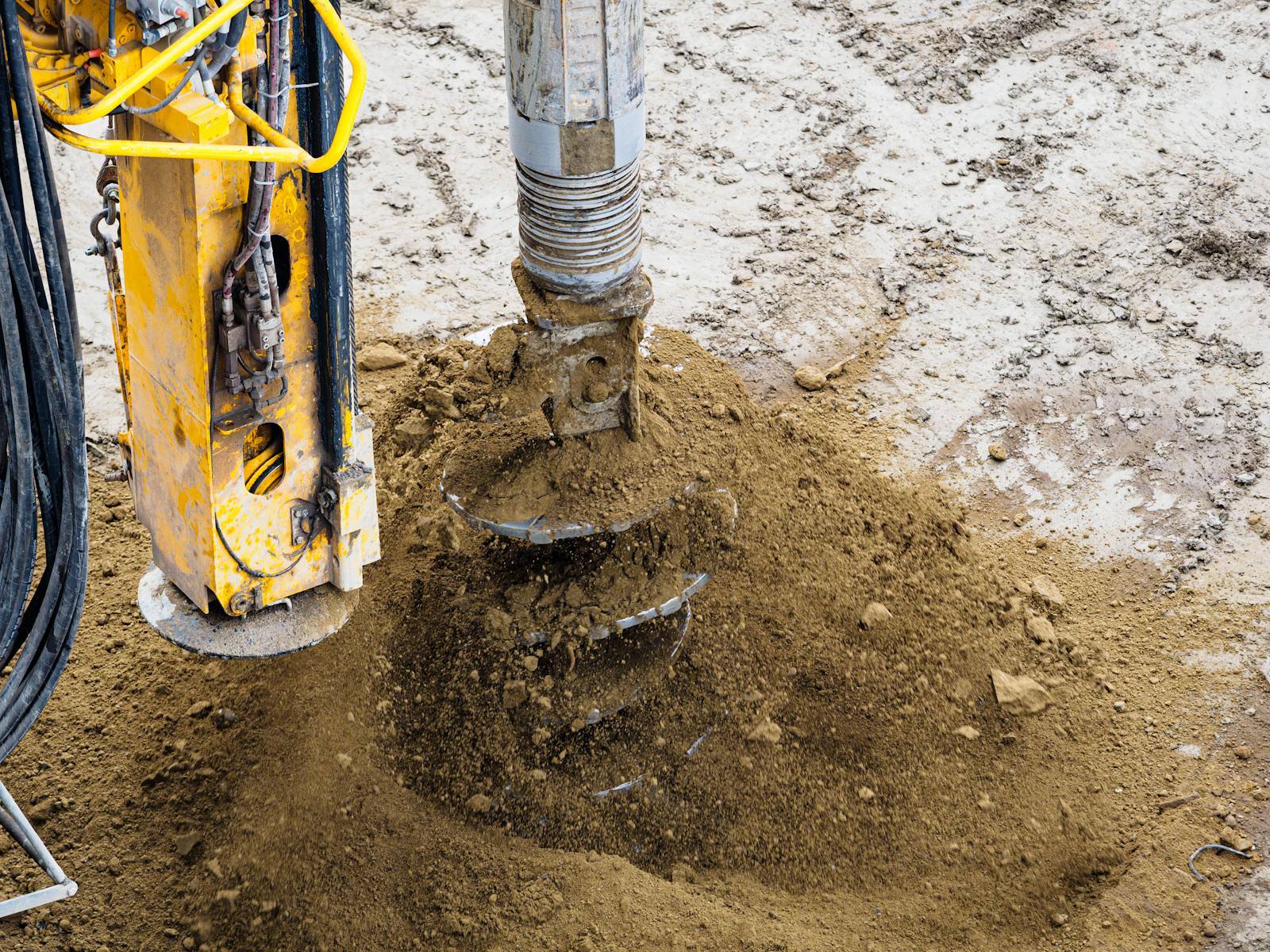
A water service line that has failed leaves you with an ugly choice: a torn-up yard now, or a wet, sinking one later. Trenchless replacement exists for the homeowner who looks at the maple by the street, the paver walkway or the long driveway and wonders whether the new pipe can get in without wrecking all of it.
The honest answer is sometimes, and it depends on your lot. Trenchless is a way of installing a new line with small access points instead of one long open cut. It is not magic, and it is not right for every house in Hummelstown.
We are a connector, not the crew. You call, you describe what you are seeing, and we dispatch a technician who knows local homes to look at the route and explain the options before any work begins.
What “trenchless” actually means for a water service line
The service line is the buried pipe that carries water from the meter, curb stop or property line to your house. Traditional replacement opens a trench along that whole route. Trenchless replacement leaves most of the ground alone and works from a small number of access points, usually one near the house and one near the street side of the run.
The idea is simple: the old route, or a new path beside it, is used to pull or push the replacement pipe underground. Whether that is worth it depends on what sits on top of the line. If you are comparing it with a standard dig, our page on full main water line replacement covers the open-trench side.
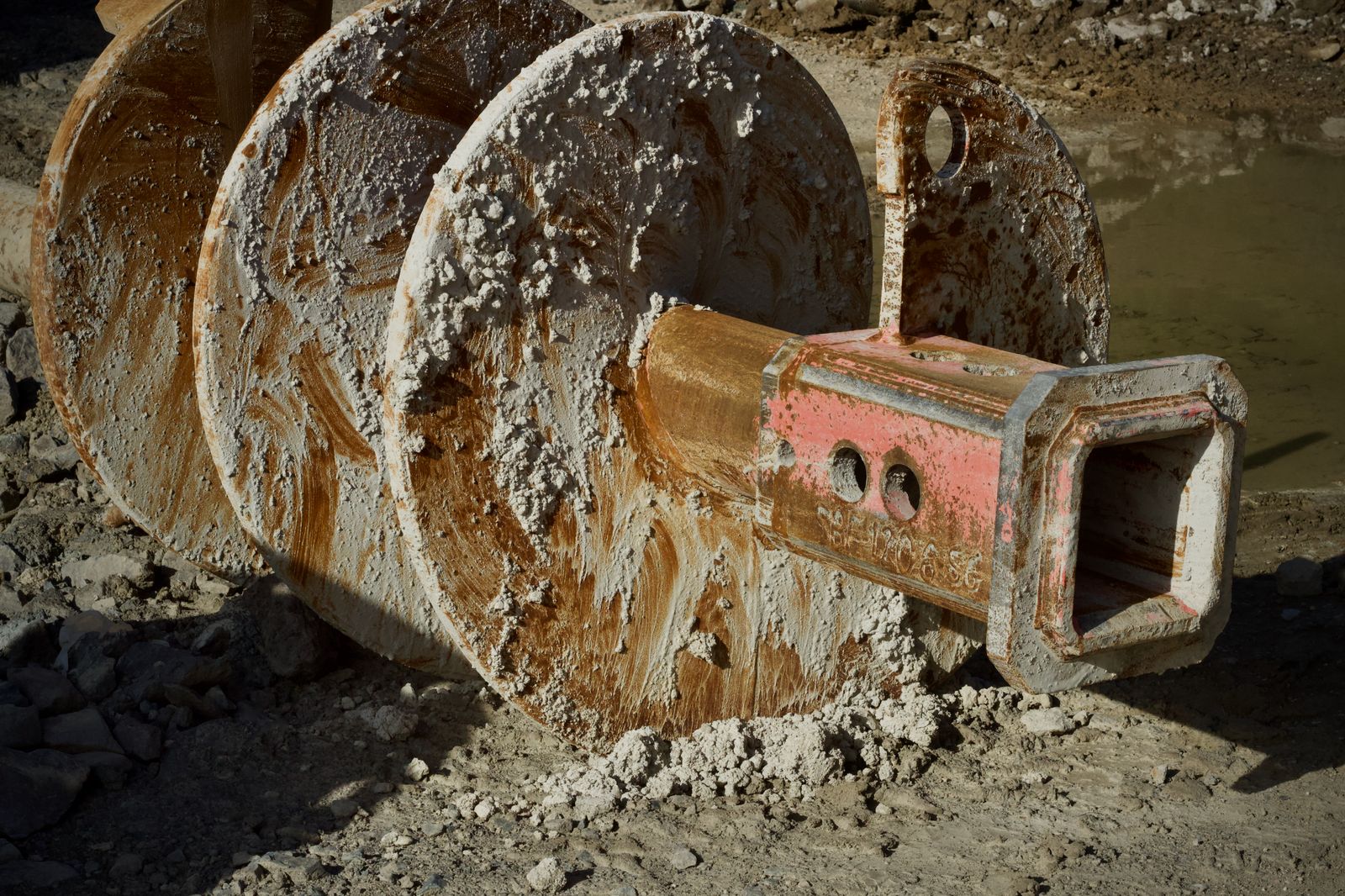 Main water line work
Pipe bursting and directional boring, in plain language
Two methods cover most trenchless water line work. Neither needs you to understand the machinery, but knowing the difference helps you follow what the technician proposes.
Pipe bursting
A tool is pulled through the old pipe. It breaks the old line outward into the surrounding soil while the new pipe is drawn in behind it, following the same path. It suits a straight, fairly clear run where the old pipe is a type that can be broken up this way.
Directional boring
A small drill is steered underground from one pit to another along a planned path, then the new pipe is pulled back through the hole. Because it makes a new path instead of following the old one, it can pass beneath a driveway, a walkway or a bed of established plantings.
When trenchless is a good fit, and when it is not
Trenchless tends to be attractive when the route crosses things that are expensive or irritating to rebuild: concrete, pavers, a long driveway, a retaining wall, a mature tree you want to keep.
It tends to be a poor fit when the old pipe has collapsed or shifted badly in places, when the route bends sharply, when the ground is full of rock or old fill, or when other buried utilities crowd the path. A line with a sudden, large failure may need to be opened up anyway to find and fix it. Nobody should promise you trenchless before looking at the property.
Cost works the same way. Sometimes trenchless saves restoration work and sometimes the specialised setup cancels that out, so ask for the pricing explained before anything starts. We make sure upfront pricing is talked through on the phone and again on site, with no hidden fees.
Access pits: where they go and how much yard they take
People hear “no trench” and picture no digging at all. In practice there are access pits, and the technician decides where they go and how many the job needs once the route is clear.
One pit usually lands near the point where the line enters the house, often by the foundation or inside a basement wall area, and another sits out toward the meter, curb stop or property line. Their size depends on the equipment and the depth of the line, and both vary from lot to lot.
Ask the technician what surface restoration is included before you agree to the plan.
Talk it through with someone who has seen this before.
Hardscape, hillsides and mature trees on Hummelstown lots
Lot type changes the answer more than anything else. Around the older streets of the borough, lines often run a short distance across a small front yard, past a sidewalk, to a brick or frame house with a basement. Space is tight, so keeping equipment off the sidewalk and away from neighbours can matter as much as the pipe itself.
Out in South Hanover Township, the runs are often longer, with deeper setbacks and long driveways in the way. Our page for South Hanover Township main line help describes what that looks like. In the canal-era village on the south-east edge, small lots and old trees sit close together, and Union Deposit homes are a good example of cramped access where going around pavement is a real question.
If your lot slopes, say so when you call, since it changes how the crew sets up.
Before anyone chooses a method, the line has to be understood
Replacing a line is a poor moment to discover you replaced the wrong stretch. If you are not sure where the failure is, or whether the line is leaking at all, have it located first. Our guide to underground water line leak detection explains how pros find the problem without digging up the lawn.
If the pipe itself is old galvanized or may be a lead-era line, the material shapes the plan. A pro can identify what your line is made of, and our page on old galvanized and lead-era service lines walks through what to look for. For any water-quality question, contact your water provider.
Ownership matters too. Homeowners are usually responsible for the private side, from the meter, curb stop or property line to the house, but the split varies, so check with your water provider before you assume. Permit requirements vary by municipality, and the technician explains what applies to your job.