
Most people call about replacement after a repair that did not hold, or after a plumber says the pipe is simply worn out. The question is the same either way: is this one bad stretch, or is the whole run on its way out? The answer decides whether you pay for a small fix or open the ground for a new line.
Hummelstown makes that question common. Brick and frame houses near the square sit on older supply pipe, while the subdivisions out toward South Hanover and the Derry side were built with later materials. A line that is fine on one street can be a problem two blocks away.
We connect you with experienced local main water line pros who work on the private side of the line, between the meter or curb stop and your house. The technician we dispatch looks at it and explains the options, including price, before anything is dug.
Replace the line or fix the leak: how the call gets made
One clean failure on an otherwise sound pipe is usually a repair job, and a good technician will say so. The picture changes when the pipe is worn along its length: pitted metal, repeated leaks, sluggish flow and pressure that keeps sliding.
If a short section is bad and the rest is healthy, a targeted main water line repair may be the sensible move. If the pipe is tired from end to end, replacing it avoids paying for the same dig again. You do not have to decide on the phone; describe the symptoms and the age of the house, and the pro tells you which way it is likely to go.
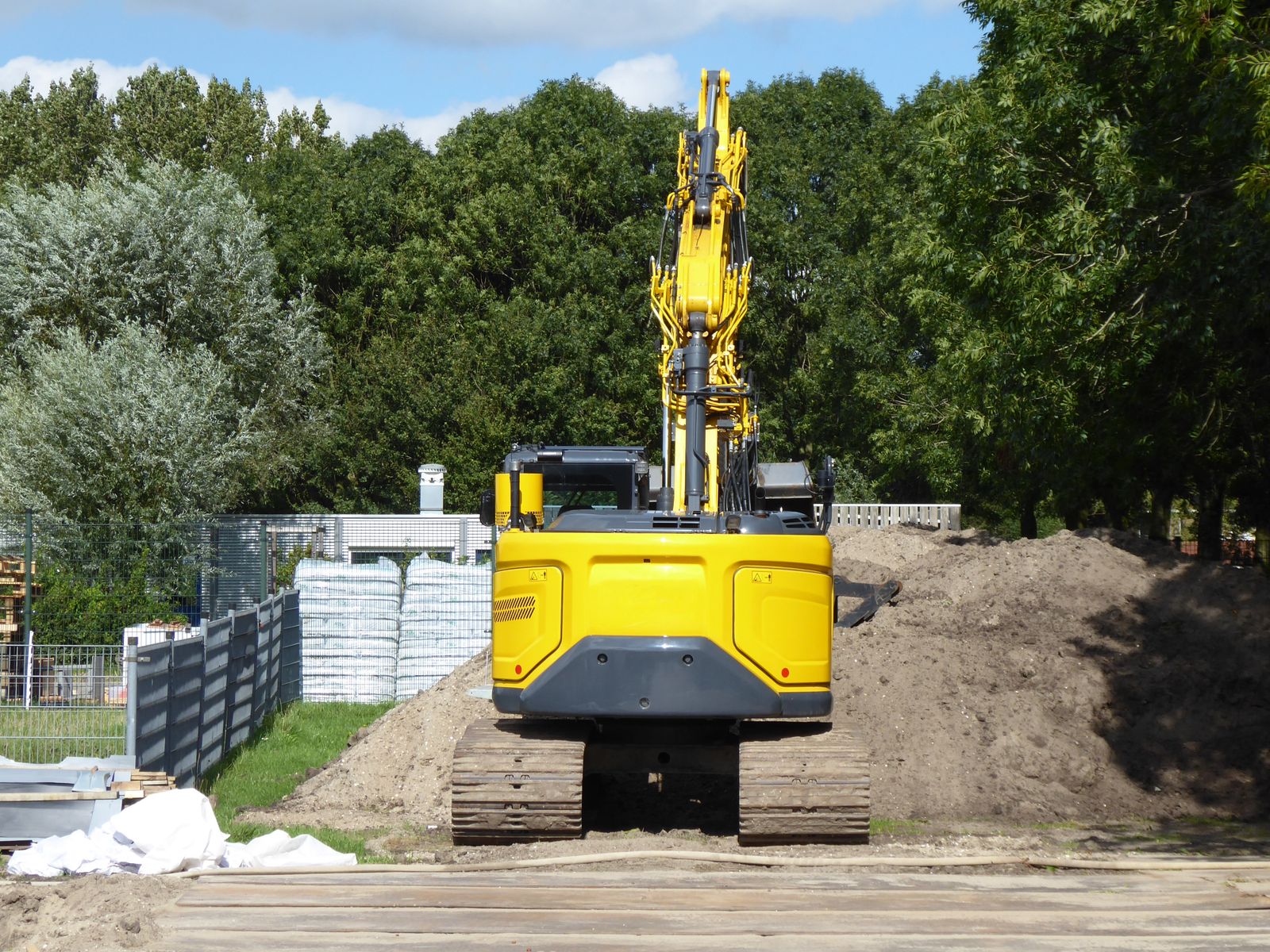 Main water line work
What a new line usually looks like on a Hummelstown lot
The route is normally the shortest practical path from the meter or curb stop to where the water enters the house, often through a basement wall. On a borough lot that can be a short run with a sidewalk or porch close by. On a township lot it may be a long stretch across a front yard and under a driveway.
Everything already in the ground shapes the path. Other utilities may be buried nearby, so the technician confirms what is where first. Roots, retaining walls and steps push the route one way or another, and the old line does not always follow the straightest course.
Open trench or trenchless: how the pro chooses
Open trench means digging along the old line and laying new pipe in the same channel. It is direct, lets the crew see everything and suits yards where nothing valuable sits on the route.
Trenchless methods pull or push a new line through the ground from a few access points, leaving more of the lawn or driveway alone. It is not always possible; soil, the state of the old pipe and tight bends all matter. Our page on trenchless water line replacement explains the approaches in plain language.
Talk it through with someone who has seen this before.
Pipe materials used for new service lines today
Replacement lines are generally durable plastic or copper pipe sold for buried water service. Which one goes in depends on what your water provider accepts, what the pro suggests for your soil and your budget. We do not push a brand.
- Plastic service pipe: flexible, few joints, and often easier to pull through a bore or narrow trench.
- Copper: a long-standing choice some owners prefer, usually at a higher material cost.
Ask why the technician suggests one and what fittings sit at each end. Whatever goes in replaces the old pipe from end to end, not just the worst few feet.
From shut-off to backfill: the day of the work
The crew confirms where the line runs, then closes the water to the house. If the curb stop or main shut-off does not seal, that comes first.
- Mark the route and locate the old line.
- Dig the trench or access points, or set up the bore.
- Remove or abandon the old pipe and run the new line.
- Make the connections at the meter side and at the house.
- Pressure test the new line before anything is covered.
- Backfill, tidy up and run water through the house.
The test before backfill matters. Ask to see the result before the hole is filled in.
Lawns, driveways and landscaping over the route
Replacement disturbs the surface along the route. A lawn can usually be restored, a few shrubs may need to move, and a driveway is a bigger question. A bore can often pass beneath a walk or drive when conditions allow; otherwise the technician may propose a new route around it.
Walk the route with the pro before work begins and point out anything you care about, such as a mature tree or new paving. Agree on what gets restored and by whom.
Hummelstown homes and why lines of different ages fail
Along Main Street and around the square, the houses are nineteenth-century frame and brick, often with supply replaced piecemeal. Older galvanized pipe tends to rust from the inside and narrow. Basements are common, so the line enters low on a stone or block wall where cold and moisture work on it. See the Hummelstown Borough and the square page.
In the subdivisions, lines are newer but not immune: frost and thaw cycles, shifting ground, roots and poor fittings show up eventually. The Derry Township side of Hummelstown often has longer runs under lawn and drive.
Homeowners usually own the private side, from the meter, curb stop or property line to the house, but the split varies, so check with your water provider. Permit requirements vary by municipality; the technician explains what applies to your job.