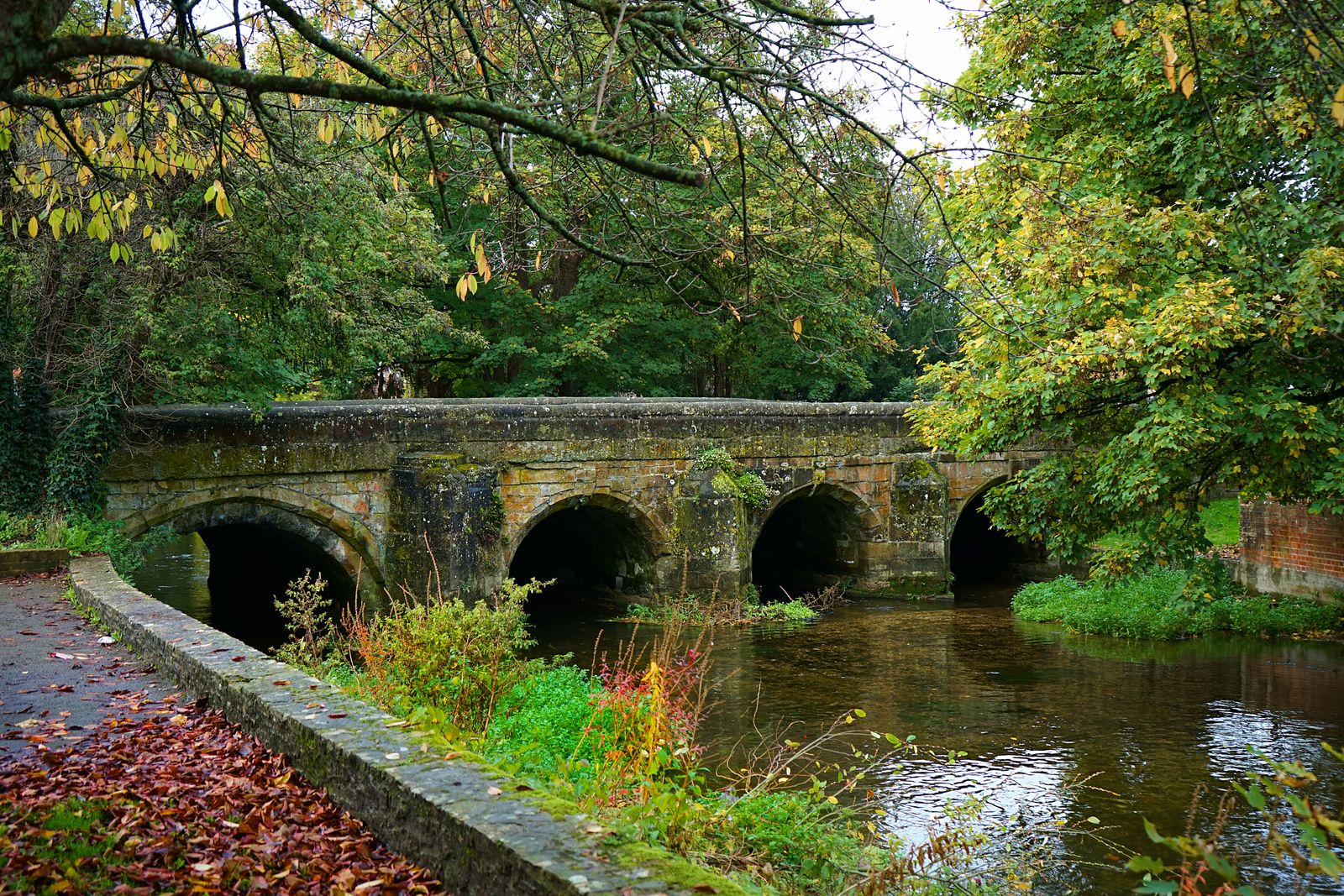
Union Deposit grew up around the canal, and it still feels that way: older homes close to the street, close to each other, and not far from Swatara Creek. The line to your house may be short, but short is not the same as easy. There is little space to dig, neighbouring fences and utilities sit close by, and the pipe itself may be one of the older kinds.
When something goes wrong here, it tends to show up near the house: a damp basement wall where the line comes in, a meter that moves when nothing is running, or a low spot in the yard that never quite dries. Describe it by phone and a main water line pro in the 17036 area can work out the next step with you.
Canal-era houses and the way the village is laid out
The older homes here sit on compact lots, close to the street. Some have been added onto more than once, so the line has sometimes been extended, reconnected or partly replaced over the decades, and not always with records.
Because the street is close, the run from the meter or curb to the house is usually short. The tradeoff is crowding. A line may pass beside a porch footing, under a walk or along a foundation wall. Older materials, including galvanized steel, are common in homes of this age; a technician can identify yours where it enters the house.
 Union Deposit
Creek moisture, roots and old pipe: the usual suspects
Swatara Creek keeps the ground damp, which is hard on buried steel. Corrosion can narrow the pipe and eventually open a leak. Roots follow moisture and may press on the line. In winter, freeze-thaw cycles shift the soil and can strain a pipe that is already tired.
Because lots are small, leaks get noticed. You might see a stained basement wall or a soft spot beside the step. Our overview of finding underground water line leaks explains how the search usually works without digging up the whole yard.
On who is responsible: homeowners are usually responsible for the private side, from the meter, curb stop or property line to the house, but the split varies, so check with your water provider.
First moves on a village lot with little room
The technician starts with the meter and the point where the line enters the house, since both are close and easy to reach. Once the shut-off is located, they test whether it actually closes. Stuck valves are common in older homes, and working shut-off valves make every later step safer.
Then comes the question of how to reach the pipe. With a cramped yard, a long open trench can mean lifting steps, walks or beds that took years to build. That is where replacing the line without a long trench comes up. It can suit a tight property in some cases, but not all of them: the pipe condition, the soil and the available space decide, and the technician will give you a straight answer on whether it fits your lot.
Expect them to consider where other utilities might be buried before anything is dug.
Talk it through with someone who has seen this before.
What happens once you pick up the phone
- You explain the symptoms and when they began. Calls are answered 24/7.
- Where available, same-day dispatch sends a technician who knows local homes.
- On site, the technician checks the meter, the shut-off and the line, and talks through what they find.
- The price is explained upfront with no hidden fees, before any work begins.
- You choose whether to proceed. Completed work carries a workmanship guarantee, and the technician explains whatever permits apply, since requirements vary by municipality.
If it turns out the problem is something other than the main water line, the technician will say so.
Close neighbours on either side
The technician also covers the historic borough streets around the square. To the north, the technician works the larger lots of South Hanover Township, where lines run longer.