Most people never think about the pipe between the street and their basement wall until something goes wrong with it. In older Hummelstown houses that pipe may be the same one the builders laid, and it may be a material nobody has looked at in a very long time. The first job is simply finding out what is there.
This page is about the older kinds of service line: galvanized steel that narrows and flakes from the inside, and the lead-era lines that were common in some places before newer materials took over. We connect you with an experienced local main water line pro who can identify the material, explain what replacing the private side involves, and give you upfront pricing before any work begins.
Look where the line comes through the wall
You do not need to dig to get a first clue. Go to the spot in the basement or crawlspace where the water line enters the house, usually near the main shut-off and the meter. Whatever pipe you see there is very often the same material that continues underground outside.
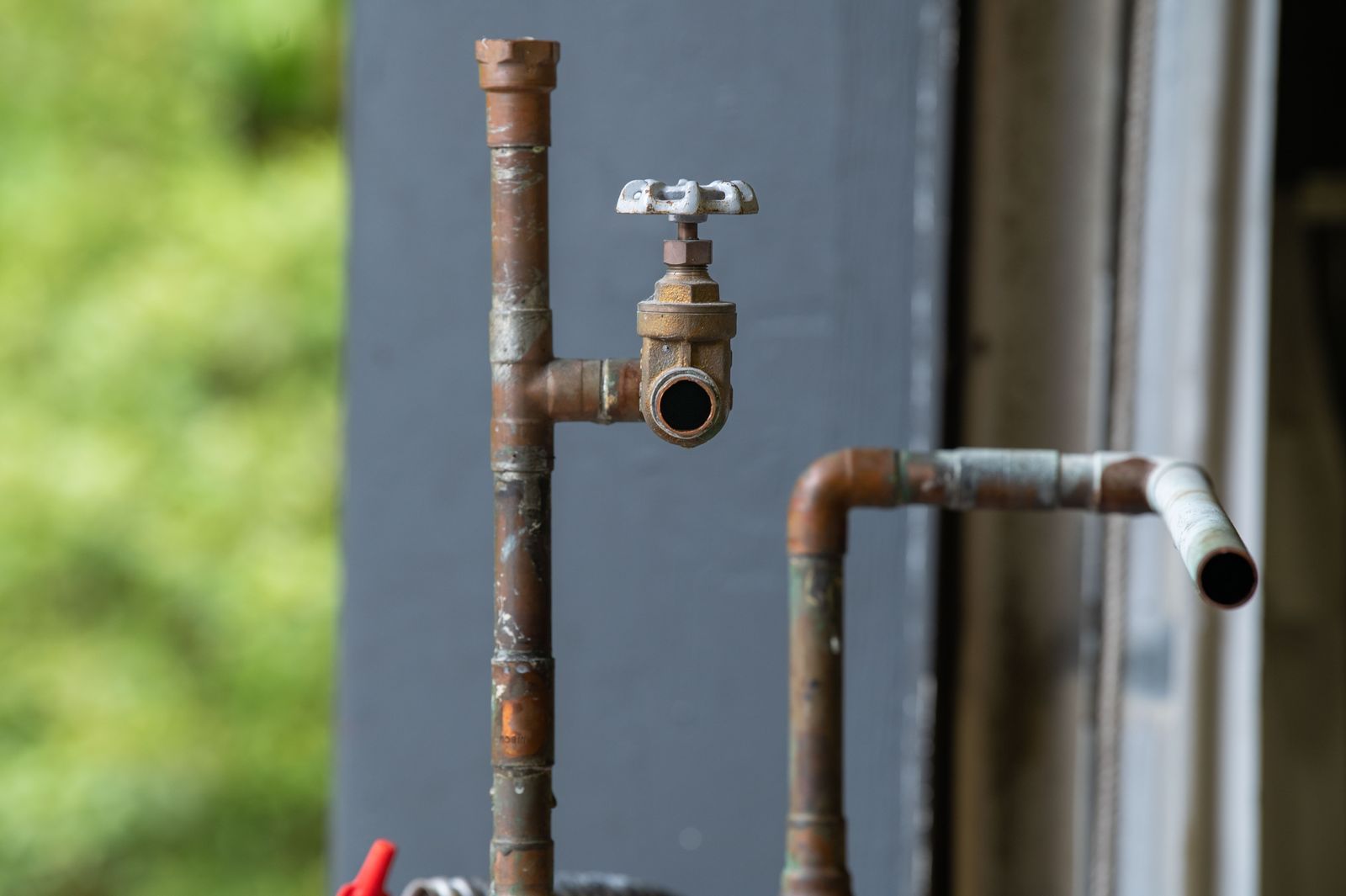
Galvanized steel tends to look grey and slightly rough, and it is often threaded at the fittings. Copper looks like copper, reddish brown or dull brown, and plastic is usually blue, black or white and smooth. Some older lines were made of lead, which is soft and dull grey, and a pro can identify the material safely and properly.
Photograph what you see, including any markings and the fittings on either side. Those pictures make the phone conversation much more useful, because the technician we dispatch can ask sensible questions before arriving. A visual guess from a homeowner is only a starting point, and the pro confirms the material on site.
 Main water line work
Why older galvanized lines lose pressure
Galvanized pipe is steel with a zinc coating. Over the years that coating wears away, the steel rusts, and the rust builds up as a rough crust inside the pipe. The opening gets smaller, so the same pipe carries less water, and the loss usually creeps in so gradually that households just adjust to it.
That is also why you may see water that looks tinted when it has been sitting overnight, then clears after the tap has run for a bit. It does not prove the underground line is the culprit, because older iron pipe inside the house can do the same thing, and a pro can work out which part of the system is responsible. For any question about water quality, contact your water provider directly.
If the weak flow is your main complaint, our page on low water pressure from the main line walks through the other causes a technician rules out first, before anyone suggests digging.
Lead-era lines: what we can and cannot say
Some older service lines were made of lead. That is the extent of what a call-connection site should tell you, and it is the honest limit of what anyone can say about your line without seeing it. A pro can identify the material, and that identification is the useful step.
If you are asking about water quality, testing or anything health-related, the right contact is your water provider, not us and not a plumber. They know what applies to the water they deliver and can tell you what resources exist for your address.
Talk it through with someone who has seen this before.
Provider inventories and replacement programmes
In many places, water providers keep records of what their service lines are made of, and some run replacement programmes for their side of the connection. Whether yours does, what it covers, and how it is scheduled are questions only your provider can answer. We cannot promise funding, timing or eligibility, and we will not guess.
It is worth a call before you book anything. Ask whether they have a record of the material for your address, and where they consider their responsibility to end. Homeowners are usually responsible for the private side, running from the meter, curb stop or property line to the house, but the split varies by provider, so check with your water provider before assuming.
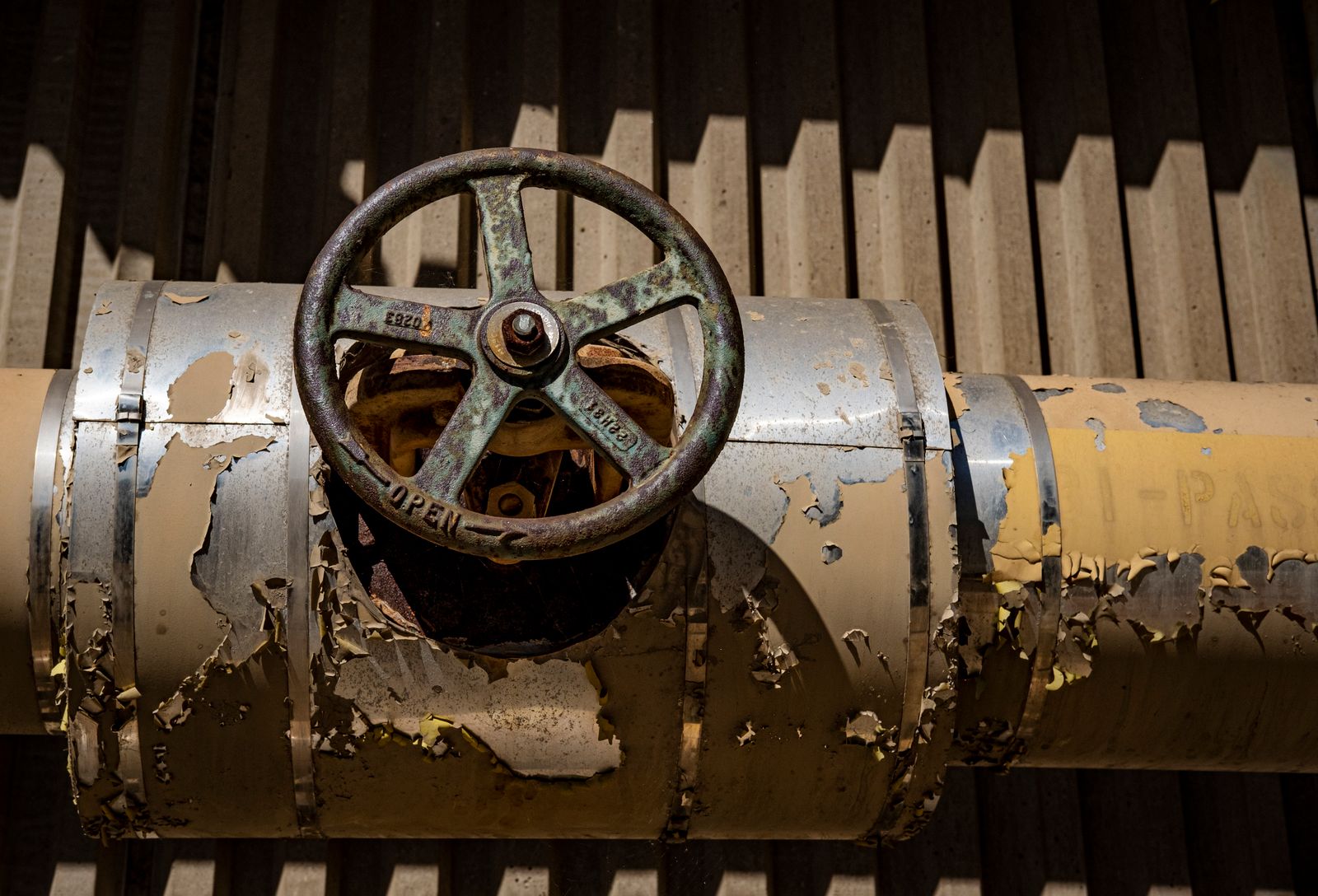
Those valves matter here. A working curb stop and main shut-off is what lets a crew isolate the line, so their condition is part of the conversation.
What replacing the private side involves
Replacement means taking out the old pipe on your side of the connection and installing a new one from the point where responsibility begins to the point where it enters the house. The technician starts by confirming where the line runs, then talks through the route, the connection points and how the yard, driveway or walk will be handled.
Whether the work is done by open trench or by a trenchless method depends on the lot. Our guide to main water line replacement covers the usual day-of sequence, and the page on trenchless options explains when a bore or pipe burst is a good fit and when it is not.
Requirements for permits and inspections vary by municipality. The technician explains what applies to your job, and the price, including any restoration work, is explained on the phone and again before the work begins.
Older Hummelstown homes and what runs under them
Houses in the borough, around the square and along Main Street, are mostly 19th-century brick and frame. Their water lines, where original, tend to be the oldest in town, and the basement entry point is often tight, low and crowded with newer additions. Our page for Hummelstown Borough and the square goes into the layout in detail.
Further out, the mid-century and later subdivisions generally have newer material, though not always, and a line that was replaced once may still contain older sections. Streets on the Derry Township side with a Hummelstown address show that mix well.