
A break in the main water line rarely announces itself politely. It shows up as a bill that does not make sense, a lawn that will not dry out or a basement wall that is damp where the pipe comes in. Sometimes it is a geyser, and sometimes the only sign is a meter that will not sit still.
The good news is that many breaks are local. One failed fitting, one pinhole in tired pipe, one stretch cracked by a root or by frost can often be exposed and mended without replacing the whole run. The harder part is finding the exact spot, and knowing when a repair is the honest answer and when it is not.
We connect you with experienced local main water line pros who work on the private side of the line, between the meter or curb stop and your house. Calls are answered around the clock, and same-day and emergency dispatch is available where possible.
When a spot repair is the sensible fix
A spot repair makes sense when the failure is isolated and the rest of the pipe is in sound shape. That might be a single split, a joint that has let go, a crack from one root or damage from a previous dig. The technician exposes the section, looks at the pipe on both sides of the break and decides whether it can be joined with a new piece.
If the pipe either side of the failure looks worn, the conversation changes. A patch on weak pipe may only move the failure down the line, and the technician will say so plainly rather than sell you the smaller job.
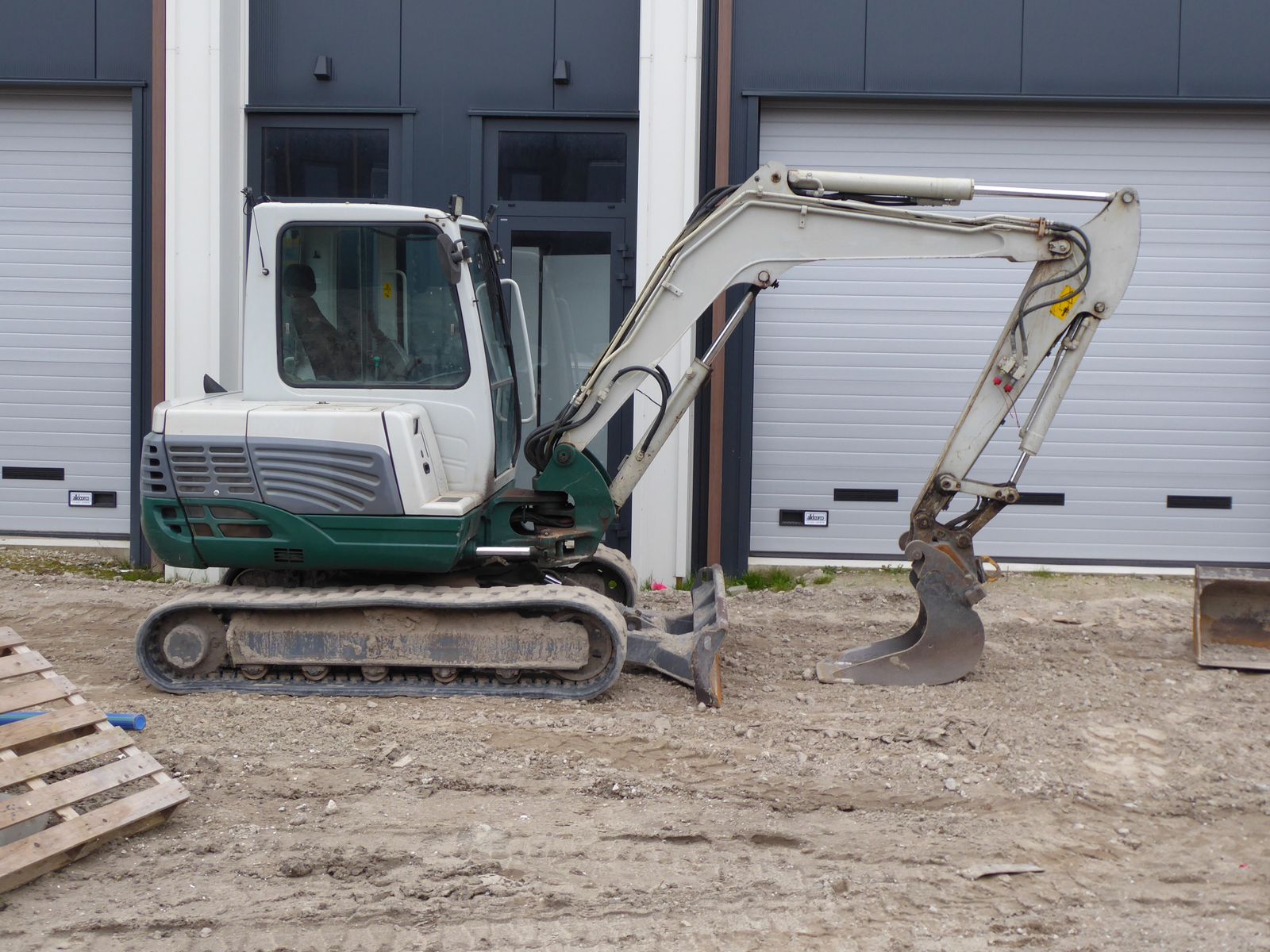 Main water line work
Finding the exact failure point before anyone digs
Water that surfaces in one place often enters the ground in another, so the wet spot is a clue, not a location. The technician starts with the meter and the shut-offs to confirm the leak is on the line, then narrows it down. Methods commonly include listening equipment, tracing the pipe route and pressure testing sections of the line. The goal is a small, accurate opening instead of a long trench.
If you are still unsure that the loss is outside the house, underground water line leak detection covers how the locating works and what you can check first.
Why lines in this part of Pennsylvania break
Most failures trace back to a handful of causes, and often more than one at a time.
- Age and corrosion: older metal pipe wears thin from the inside and pits until it weeps or splits.
- Ground movement: settling, nearby digging and heavy loads shift the soil around a rigid pipe.
- Roots: they search out moisture and can press on or wrap a line until a joint gives.
- Frost and thaw: cold winters stress buried lines, and repeated cycles tend to find the weak point.
Which of these applies depends on your lot and the age of your house. The technician reads the damage when the pipe is exposed.
Talk it through with someone who has seen this before.
What a repair visit looks like from shut-off to backfill
The crew first closes the water and confirms the shut-offs hold. They then mark the line and any nearby utilities, dig a limited opening at the located point and clean the area around the pipe.
- Cut out the damaged section.
- Fit a new length with proper connectors on sound pipe.
- Restore water and check the repair under pressure.
- Backfill in layers, compact the soil and tidy the surface.
Ask to see the repair under pressure before the hole is closed. Whether you can use water straight afterward depends on the job and what the pro advises, so ask before you run the dishwasher.
When one repair is really a warning about the whole line
Sometimes the break is the first visible symptom of a pipe that is failing everywhere. A second leak within the same stretch, brittle or heavily corroded metal, weak pressure at every tap and a run of older galvanized pipe all point that way. A repair can still be right as a practical step, but it does not promise the line will not fail somewhere else.
If the technician sees wider wear, they will lay out both options and the price of each. For a full new line, see trenchless water line replacement, which can leave more of your yard intact when the ground and the old pipe allow it.
Hummelstown homes and where repairs tend to happen
In the borough, near the square and along Main Street, the houses are old and the lots are tight. Lines are often short, but access is cramped by sidewalks, porches and foundations, and older galvanized pipe is common. Low blocks bordered by Swatara Creek can stay damp in storm season, which is hard on buried pipe. Our Hummelstown Borough page covers those blocks.
Out in South Hanover Township, the subdivisions and farm-edge lots tend to have longer runs from the meter to the house, with landscaping and driveways in the way. A leak can travel a long way underground before it surfaces.
Homeowners usually own the private side, from the meter, curb stop or property line to the house, but it varies by provider. Check with your water provider; the technician can also point out where your side begins and ends.